seolounge


Schools and the Education System
Importance of Schools in a Child’s Development
Schools play an important role in shaping a child’s education, personality, and future. They provide a structured environment where students learn academic subjects such as mathematics, science, languages, and social studies while also developing communication, creativity, discipline, confidence, teamwork, and problem-solving skills. School is also a place where children interact with classmates, learn to respect different ideas, participate in group activities, and develop social skills. A good school environment encourages students to ask questions, explore their interests, learn from their mistakes, and become more independent. Education during the school years creates a strong foundation for higher education and helps students prepare for different responsibilities in their personal and professional lives.
Role of Teachers and Parents in Education
Teachers and parents have an important role in supporting a child’s educational journey. Teachers are responsible for explaining concepts, answering questions, identifying areas where students need support, and encouraging them to participate actively in learning. Good teaching is not limited to completing the syllabus; it also involves helping students understand concepts and apply their knowledge in practical situations. Parents support this process by encouraging regular study habits, communicating with teachers, providing a positive learning environment at home, and motivating children when they face difficulties. When teachers and parents work together, they can better understand a student’s strengths, interests, and learning needs. This cooperation can create a supportive environment in which students feel encouraged to learn and improve.
Modern Education and the Role of Technology
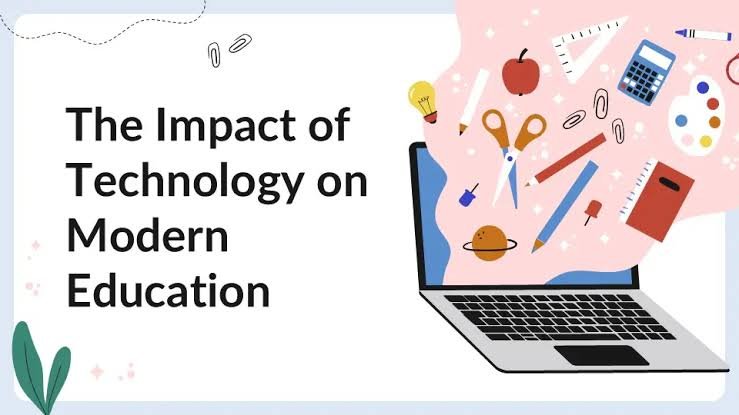
The education system is changing with the increasing use of technology in schools and classrooms. Digital boards, educational videos, online learning platforms, interactive applications, virtual resources, and computer-based activities can make lessons more engaging and provide students with additional ways to understand difficult concepts. Technology can also give students access to a wide range of educational information beyond their textbooks. However, technology should be used as a learning support rather than replacing teachers and personal interaction. Along with digital learning, students need practical activities, classroom discussions, projects, experiments, presentations, and real-world experiences. A balanced approach that combines traditional teaching methods with useful technology can help students develop both academic knowledge and practical skills.
Importance of Practical Learning
Practical learning helps students connect classroom knowledge with real-life situations. Science experiments, projects, field trips, group activities, presentations, and hands-on exercises can help students understand concepts more clearly. Practical experiences can also encourage students to ask questions, solve problems, and apply what they have learned.
Creating a Positive School Environment
A positive school environment can have a strong influence on students’ learning experiences. Schools should provide a safe, respectful, and supportive atmosphere where students feel comfortable asking questions and expressing their ideas. Good relationships between students, teachers, and school staff can contribute to a healthy educational environment.
Extracurricular Activities and Life Skills
Education is not limited to textbooks, examinations, and classroom lessons. Sports, music, dance, art, debates, quizzes, cultural programs, science exhibitions, field trips, and other extracurricular activities can play an important role in a student’s overall development. These activities give children opportunities to discover their interests and develop qualities such as teamwork, leadership, creativity, communication, discipline, and confidence. Schools can also help students develop important life skills such as time management, decision-making, problem-solving, financial awareness, digital responsibility, and effective communication. These skills can be valuable as students move into higher education, careers, and adult life. Providing students with opportunities to learn both academically and practically can make education more meaningful and useful.
Preparing Students for the Future
A strong education system should prepare students not only to perform well in examinations but also to handle real-life challenges and future opportunities. Students need academic knowledge along with critical thinking, creativity, communication skills, adaptability, and an understanding of how to apply what they learn. Schools can support future readiness through career guidance, skill-based learning, practical projects, technology education, competitions, workshops, and opportunities to explore different fields. Every student has different abilities and interests, so education should provide opportunities for children to discover their strengths and develop them. When schools, teachers, parents, and students work together, education can become a continuous process of learning and personal growth that prepares young people for higher education, careers, and responsible participation in society.